
Disciplines and aircraft classes
Aerial combat sport is any competitive discipline in which aircraft engage in structured combat scenarios governed by IACSF rules. No weapon capable of causing actual harm is ever permitted: engagements are scored by approved combat systems.
Recognised disciplines
Established under Section 11.3 of the Bylaws and subject to revision by the Board. The Board may recognise, provisionally sanction and develop rules for emerging disciplines not yet categorised.
| Discipline | Description | Aircraft class | License stream | Minimum judges |
|---|---|---|---|---|
| Full-Scale Aerial Combat | Competition involving piloted aircraft in defined aerial engagement zones with structured combat scenarios. | Class I | FSP | 3 (5 recommended) |
| Full-Scale Dogfight Simulation | Structured aerial engagements between piloted aircraft using approved scoring methods: smoke systems, gun camera, laser tag systems or other approved simulation technologies. | Class I | FSP | 4 (6 recommended) |
| Remote Combat Class | Competition involving remotely piloted aircraft of specified size, weight and capability categories in combat scenarios. | Class II | UAS | 3 (5 recommended) |
| Drone Combat | High-speed unmanned aerial system combat within designated controlled airspace. | Class III | UAS | 3 (5 recommended) |
| Team Combat | Formation-based combat disciplines involving coordinated multi-aircraft team engagements. | Per format | Per class | Per format |
| Emerging Disciplines | Formats the Board recognises and provisionally sanctions while rules are developed. | Provisional | Per class | Per format |
Minimum judging panel sizes are from the Judging Standards (IACSF-STD-004), which also provide for a Mixed-Class Open Division format and exhibition sessions. A panel of fewer than two judges may never score a competitive session.
Aircraft classification
Every aircraft competing under IACSF rules is classified under Article III of the Technical Code by type and propulsion, maximum gross weight, wingspan or rotor diameter, maximum speed, energy source and level of automation. No aircraft may compete in a class for which it has not been homologated, except under provisional classification for exhibition or qualifying.
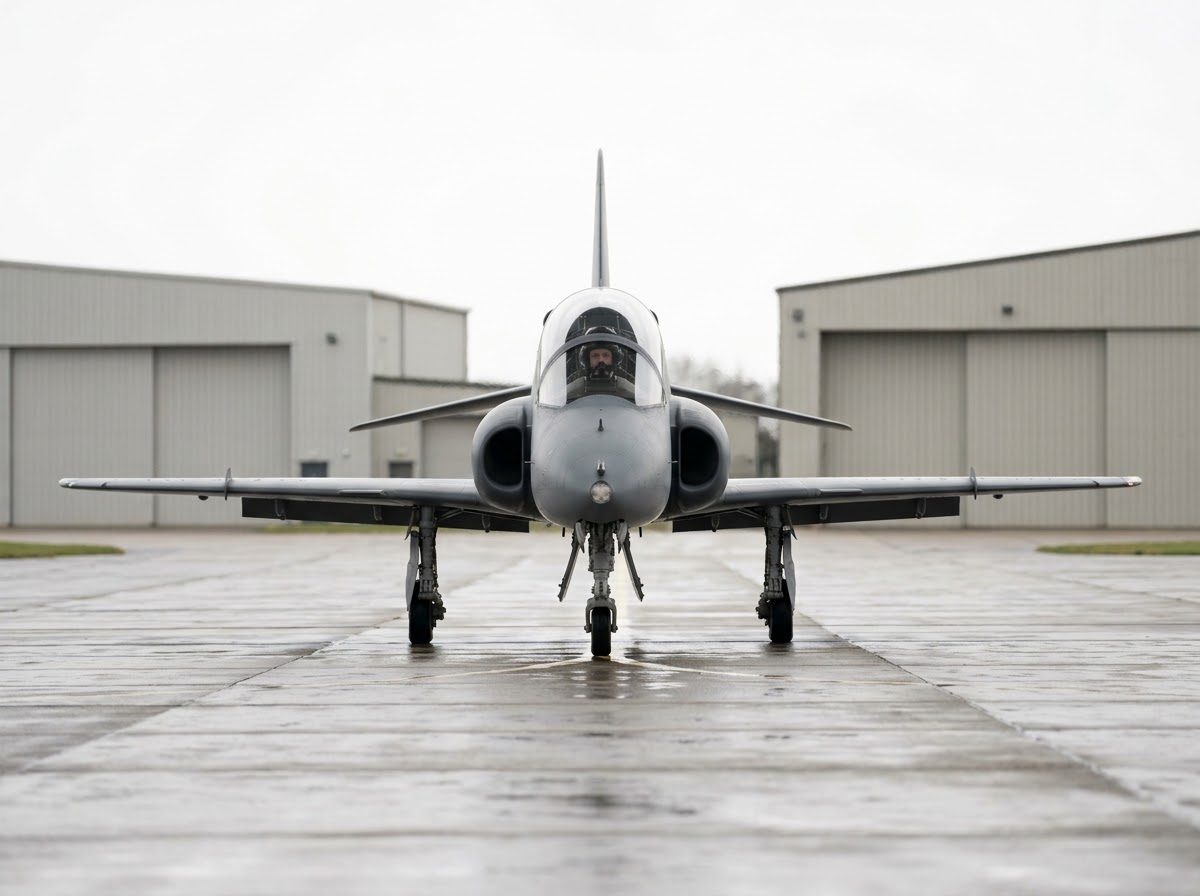
Class I
Full-scale piloted aircraft
Flown by a licensed pilot aboard the aircraft. Requires a current FAA Airworthiness Certificate (Standard, Special or Experimental Exhibition) or recognised equivalent; a pilot with at least an FAA Private Pilot Certificate with appropriate category and class ratings; documented modifications compliant with 14 CFR Part 43; a current Annual Inspection; all applicable Airworthiness Directives complied with; and logbooks available at every event. Sub-classes such as piston, turbine, jet and warbird are defined in the Rulebook.
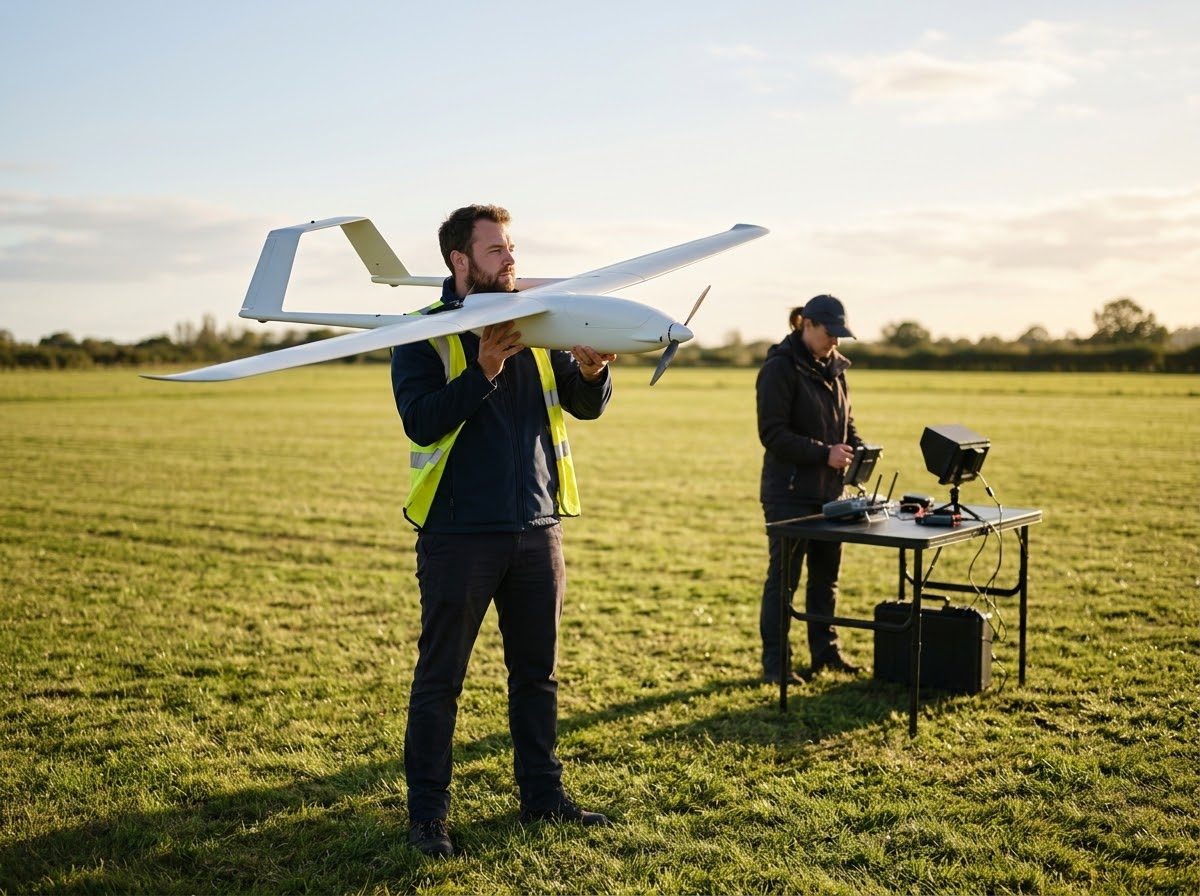
Class II
Remote combat
Remotely piloted aircraft operated by a licensed remote pilot holding an FAA Part 107 Remote Pilot Certificate or equivalent. Maximum gross weight as specified by class, within FAA limits unless operating under a valid waiver. Aircraft must be registered with the civil aviation authority, and control systems, telemetry and fail-safe mechanisms must meet IACSF Class II specifications.
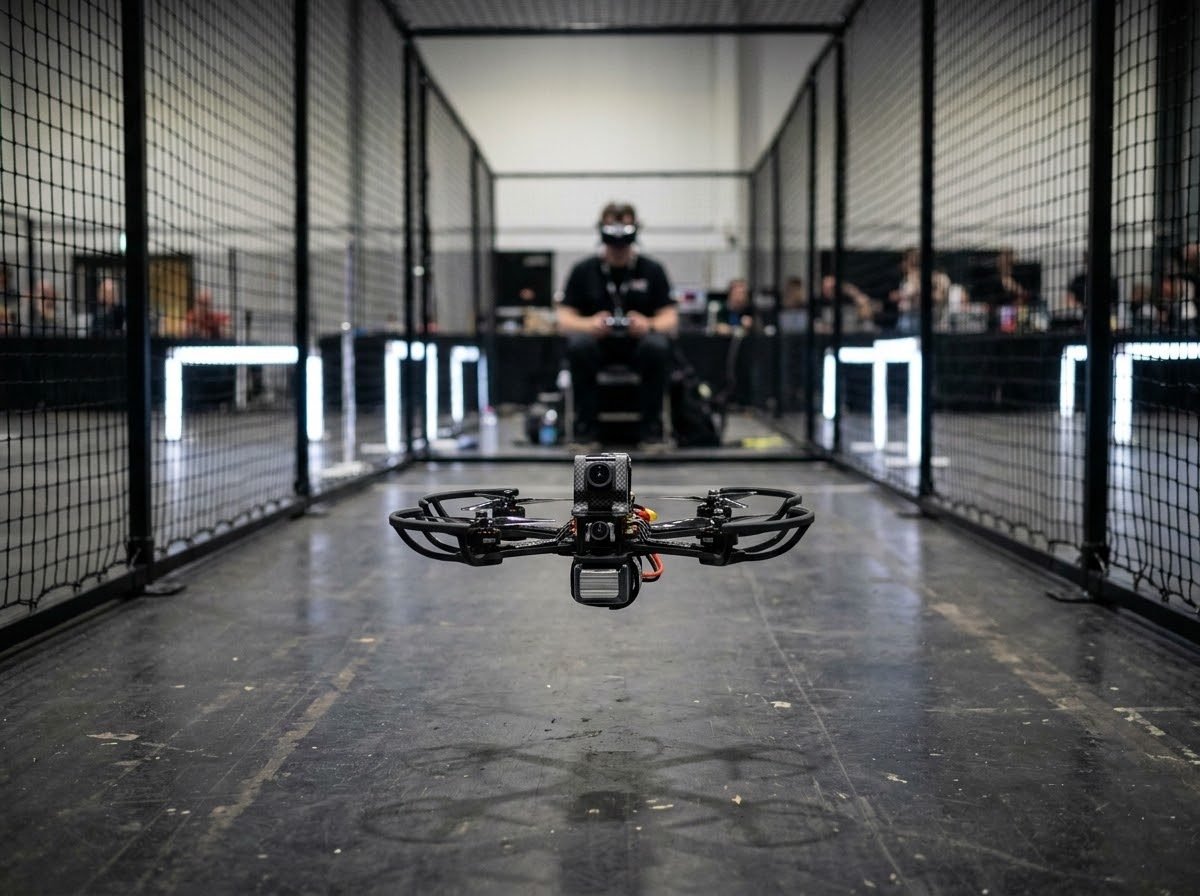
Class III
Drone combat
High-speed unmanned aerial systems competing within designated controlled airspace. Maximum gross weight and dimensional envelope set by the Class III Competition Rules. Must operate within FAA-authorized or waivered airspace at the event site, meet Class III homologation standards for propulsion and control, and use IACSF-approved combat systems only.
Approved combat systems
Only IACSF-approved combat systems may be used in sanctioned events. The Technical Standards Committee publishes the current list. Approved categories are:
- Gun camera systems. Digital video-based engagement scoring with defined field of view and hit-detection parameters.
- Laser tag systems. Infrared or laser-based engagement systems meeting IACSF signal strength and safety specifications.
- Smoke systems. Pyrotechnic or non-pyrotechnic smoke for visual engagement indication, subject to FAA approval and venue authorization.
- Electronic scoring systems. Onboard telemetry-based scoring meeting IACSF data integrity specifications.
Systems must be installed and tested by a qualified technician before competition, inspected by the Technical Inspector, and may not be altered, disabled or tampered with during competition. Where objective systems are functioning, they take precedence over subjective panel scores.
Prohibited technologies
Absolutely prohibited in every sanctioned event, and not waivable by any committee:
- Any weapon, projectile or system capable of causing actual physical harm to another aircraft, pilot, official or spectator.
- Electronic warfare systems: jammers, GPS spoofers or any device that interferes with another aircraft's navigation, control or communications.
- Systems designed to cause structural failure or loss of control in another aircraft.
- Any modification that renders an aircraft incapable of safe controlled flight.
- Autonomous or AI-controlled engagement systems operating without real-time human control input during combat.
Pyrotechnics beyond approved smoke, experimental propulsion, non-standard onboard recording or transmission, and engine modifications outside type certificate limits require prior written approval from the Technical Standards Committee.
Technical inspection and homologation
Compliance is verified before, during and after competition.
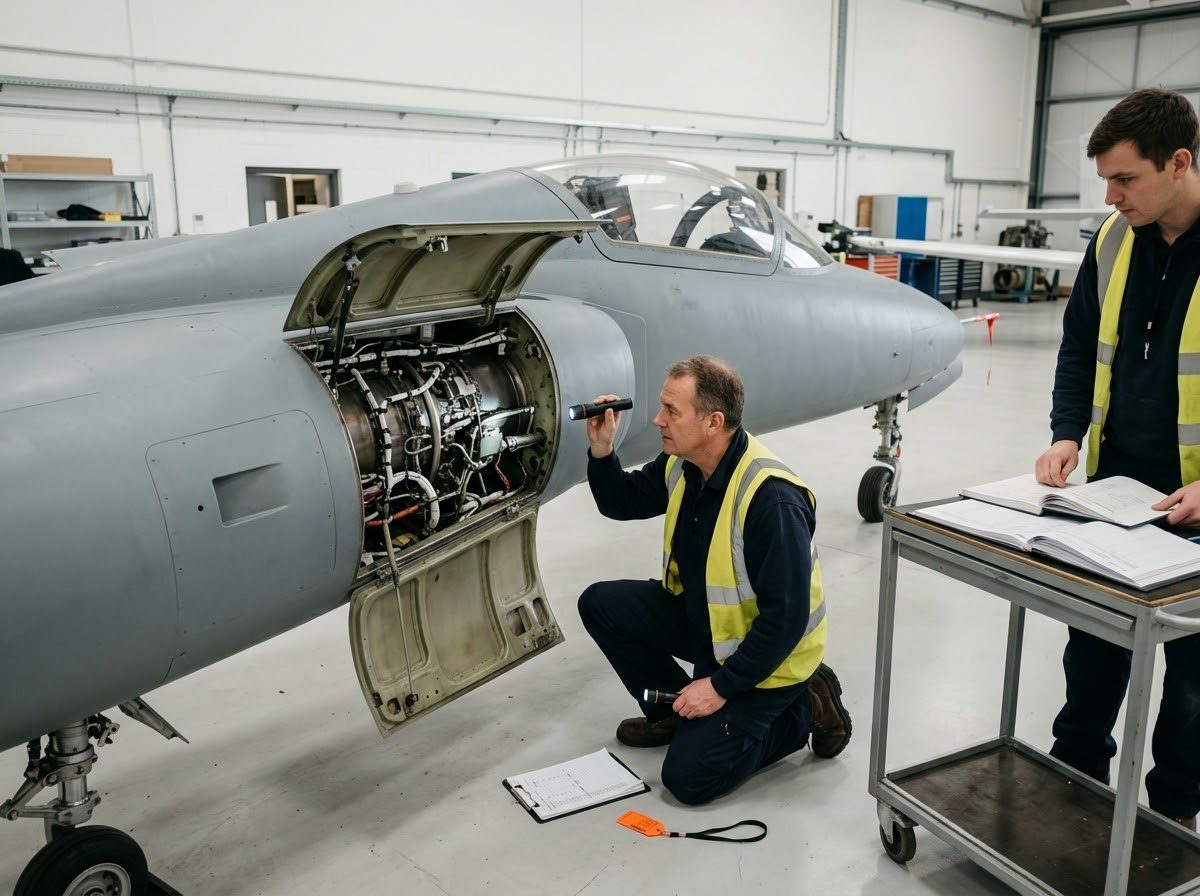
Every aircraft entered in a sanctioned event is inspected by or under the supervision of an IACSF-certified Technical Inspector before its first competitive flight, and may be inspected again at any time. The Technical Inspector's certification does not replace the pilot's or operator's own responsibility to ensure the aircraft is airworthy before each flight.
Pre-competition inspection
Every aircraft entered in a sanctioned event must pass inspection by or under the supervision of an IACSF-certified Technical Inspector: registration and airworthiness documentation, structure and control surfaces, propulsion, combat system installation and calibration, mandatory safety equipment, communications equipment, and absence of prohibited technologies. Aircraft that fail may not compete until deficiencies are corrected and a re-inspection is passed. Outcomes are recorded on the Aircraft Inspection Card, which stays with the aircraft for the event.
Post-event and random inspection
Any aircraft may be inspected after competition at the direction of the Technical Inspector, Chief Judge or Commissioner, and randomly at any time during an event weekend. Refusing an inspection or tampering with an aircraft after competition results in disqualification and referral for disciplinary proceedings.
Homologation
No aircraft type or combat system may be used without current homologation for the specific class. Applications go to the Technical Standards Committee, which decides within 60 days of a complete application. Homologation is valid for two years and lapses automatically on material modification, an affecting Airworthiness Directive, or a Technical Directive withdrawing it. Renewal must be applied for 60 days before expiry. Decisions may be appealed to the Appeals Committee within 21 days.
Mandatory safety equipment, Class I
Approved fire suppression accessible to the pilot; emergency locator transmitter where required by 14 CFR 91.207; parachute system where engagement altitudes exceed the Class I Safety Standards parameters; approved helmet; fire-resistant flight suit; aviation-band radio on the event control frequency; and monitoring of the designated abort frequency.